

Last Updated: November 21, 2026
Quick Summary
GOTS certified textiles meet the Global Organic Textile Standard, the leading worldwide certification for organic fibre processing that covers the entire supply chain from harvest to packaging with environmental and social criteria at every stage. Every stage that handles the fibre must be certified separately by an independent third-party body.
- Certified organic cotton must come from recognised organic farms with no GM seed and no synthetic pesticides.
- Spinning, weaving, dyeing, finishing, manufacturing and trading each need their own separate certification.
- Search a supplier's licence number in the official GOTS public database to confirm their certification scope.
- A trading-only certificate is not the same as certification of the finished product, so check the scope field.
- GOTS does not certify that a product is plastic-free, biodegradable, or made locally.
Table of Contents
- What Does GOTS Certified Mean for Textiles
- GOTS Certification Requirements Across the Supply Chain
- How to Verify GOTS Certification Before You Buy
- GOTS Certified Fabric Care for Reusable Wraps
- GOTS Compared with Other Textile Standards
- Frequently Asked Questions
What Does GOTS Certified Mean for Textiles
GOTS certified textiles meet the Global Organic Textile Standard, the leading worldwide certification for organic fibre processing, covering the entire supply chain from harvest to packaging with environmental and social criteria at every stage, and that is what GOTS certified textiles are judged against. You can read the full criteria in the Global Organic Textile Standard official documentation. It does not certify that a product is plastic-free, biodegradable, or made locally, only fibre origin and processing.
GOTS Certification Requirements Across the Supply Chain
Every stage that handles the fibre must be certified separately by an independent third-party body.
Organic fibre requirements. Certified organic cotton must come from recognised organic farms, with no GM seed and no synthetic pesticides.
Chemical restrictions. Wet processing is the most tightly controlled step: hazardous substances are prohibited, dyes and inks restricted, and wastewater treatment required before discharge.
Social criteria. No child labour, safe working conditions, documented hours, and freedom of association.
Environmental criteria. Energy, water and fuel use are tracked, and packaging must meet defined requirements.
Traceability underpins all of it: without a documented chain of custody, a product cannot claim certified content. For larger gifts, the extra large furoshiki wrap shows a fully certified finished product.
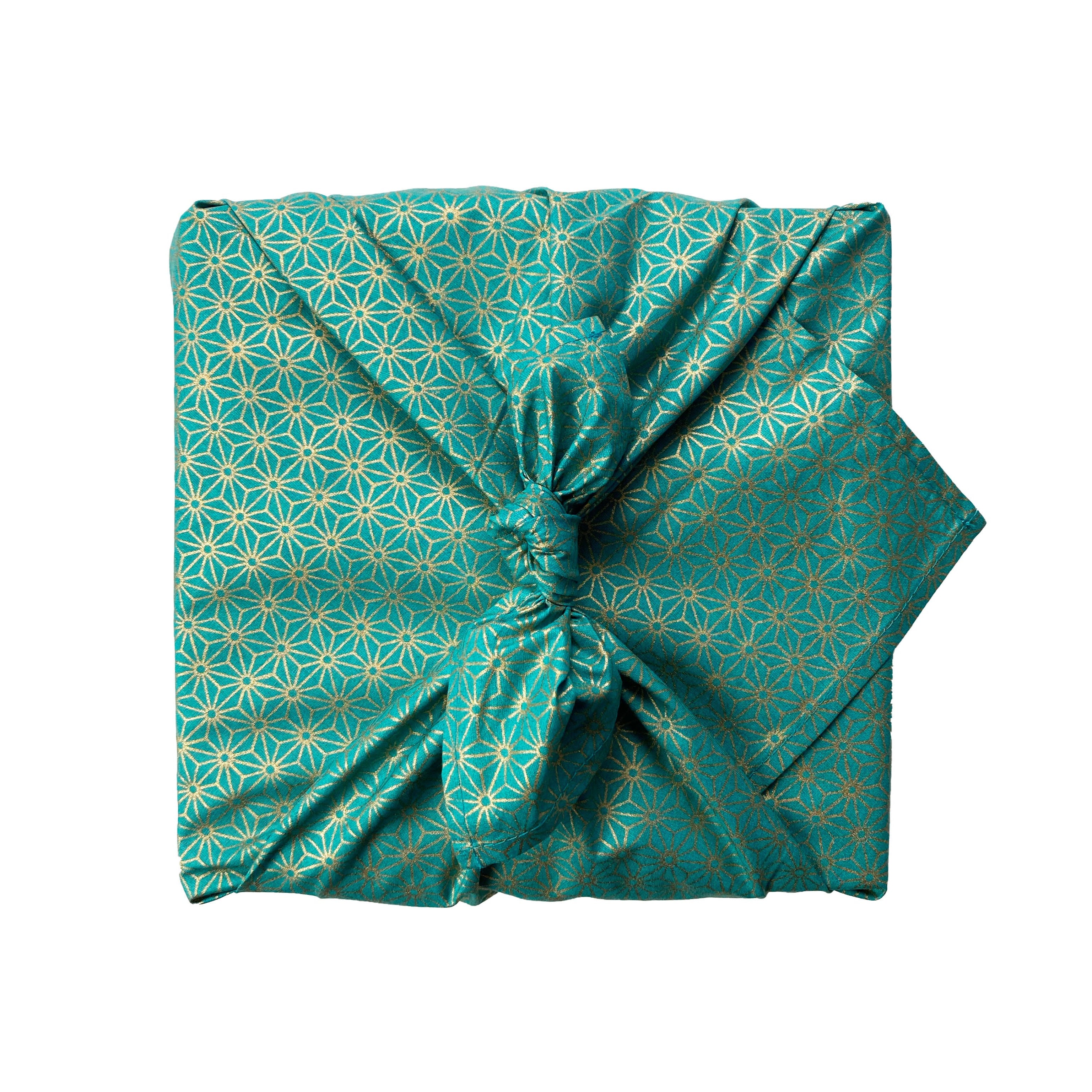
Jade Extra Large Furoshiki (105 x 105cm) - Single Sided
How to Verify GOTS Certification Before You Buy
GOTS runs a public database where you can search a supplier by name or licence number and confirm their certification scope.
- Look for the GOTS logo with a licence number beside it
- Search that licence number in the official GOTS public database
- Check the certified scope matches what you are buying
- Ask the seller which supply chain stages are certified
Watch out: a trading-only certificate is not the same as certification of the finished product. Check the scope field, not just the company name. Our spring starter gift set and reusable wrap set for babies and children are both made from GOTS-certified organic cotton.
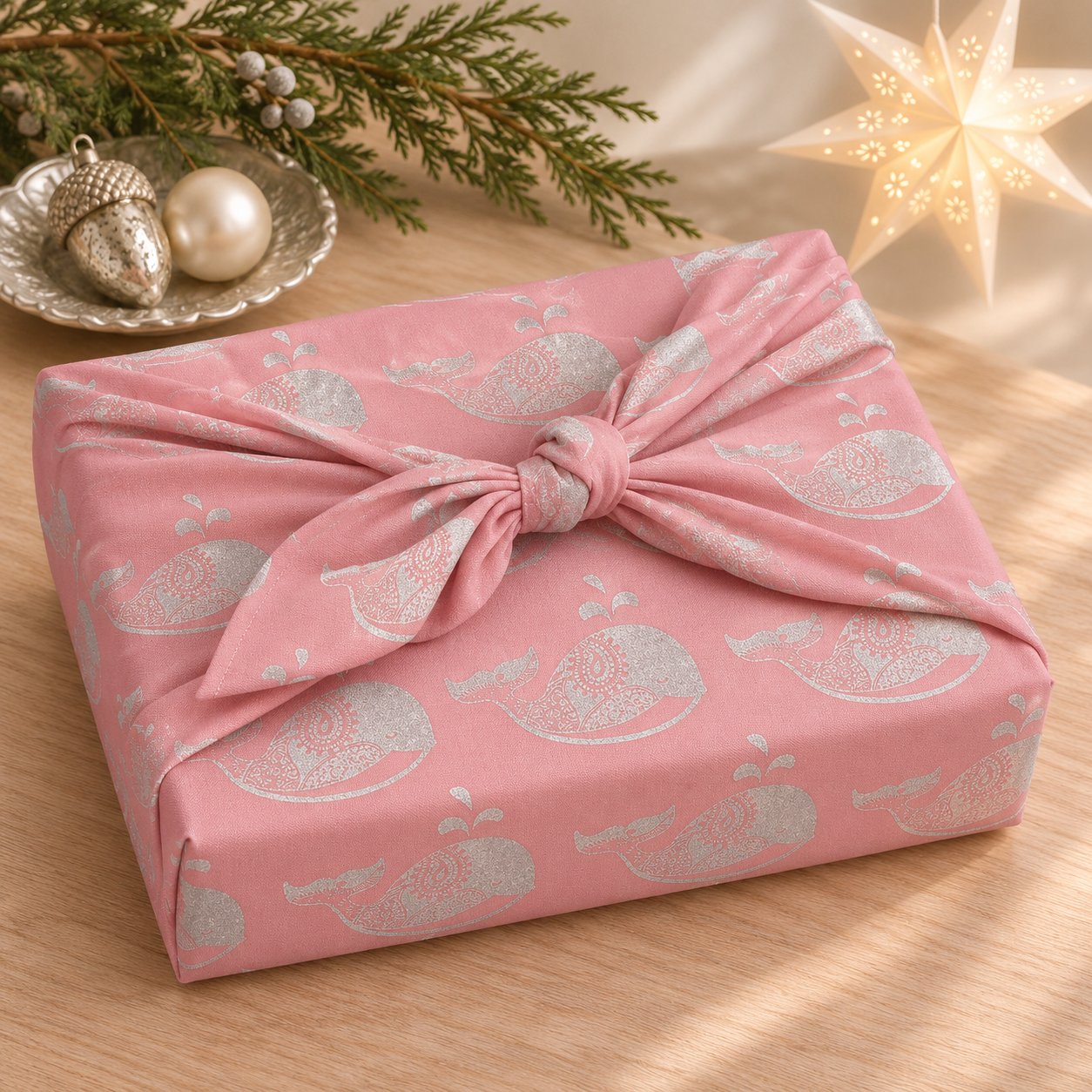
GOTS Certified Fabric Care for Reusable Wraps
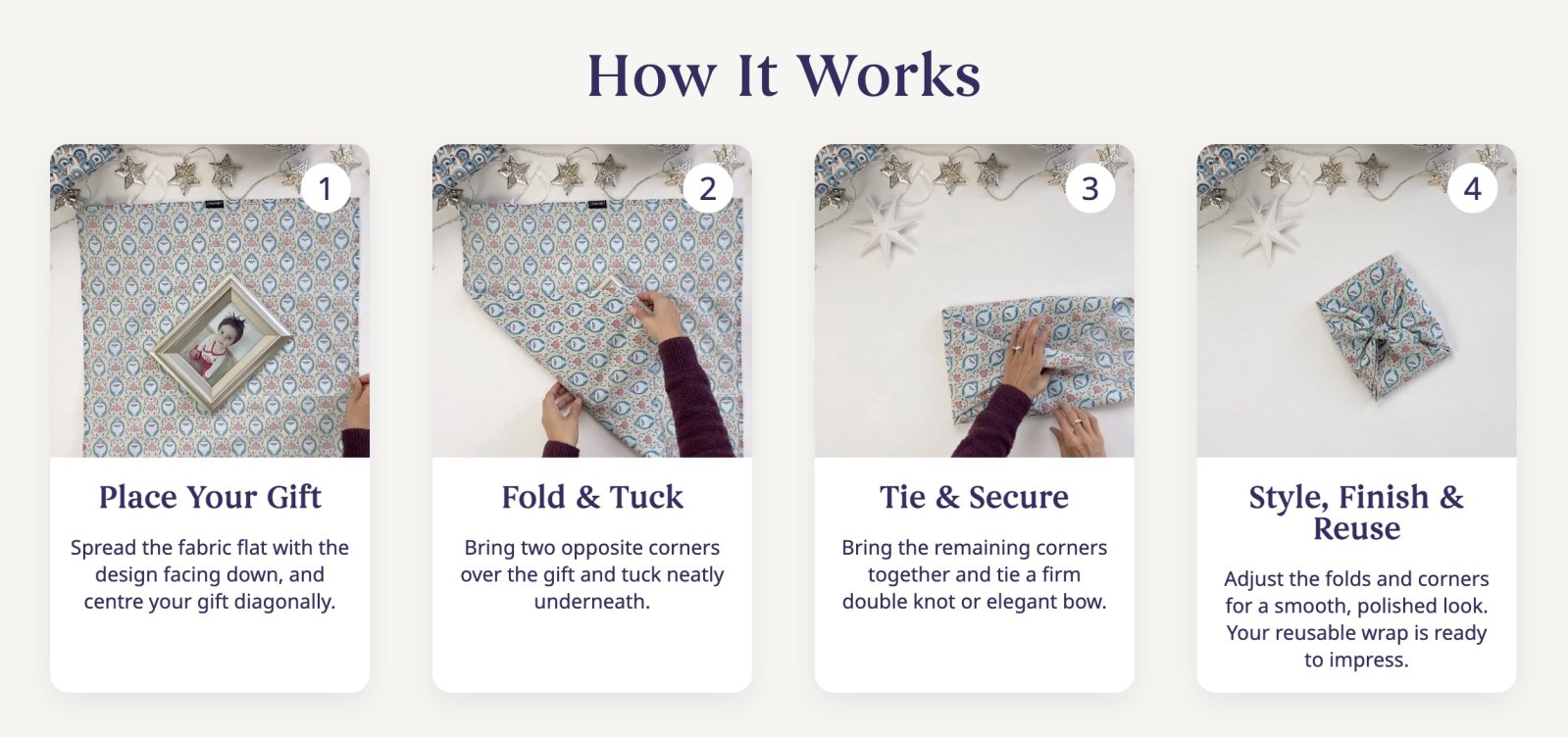
Our wraps are machine washable. Ours are made from premium, high-quality organic cotton described in our listings as lasting a lifetime, and each arrives in a recycled paper envelope for storage between uses.
GOTS Compared with Other Textile Standards
GOTS is the strictest widely recognised standard for organic fibre processing, covering environmental and social criteria together. OEKO-TEX tests finished textiles for harmful substances rather than certifying organic fibre origin, The difference from non-certified textiles is documentation: an uncertified "organic" fabric has no independent audit and no chain of custody behind the claim. With GOTS, there is.
Here is how GOTS lines up against the other standard the article mentions, plus the uncertified alternative.
Standard |
What it covers |
Key difference |
|---|---|---|
GOTS |
Organic fibre processing, environmental and social criteria together |
Strictest widely recognised standard for organic fibre processing and also ensures sustainable working practices for factories |
OEKO-TEX |
Tests finished textiles for harmful substances and ensures no harmful chemicals are present |
Does not certify organic fibre origin but ensures sustainable practices for factories and also ensures no harmful substances are used. |
Uncertified organic fabric |
No independent audit, no chain of custody, no guarantee of zero pesticide use |
Fabrics are generally made with synthetic fibres, and natural fibres are produced with harmful chemicals |
The wrap you choose gets handled, tied, untied and washed for years, so the certification behind it should be one you can check yourself rather than take on trust. FabRap makes furoshiki-inspired wraps from GOTS-certified organic cotton and OEKO-TEX mulberry silk, machine washable (cotton) and hand washable (silk) - built to be reused, with a 14-day happiness guarantee and plastic-free shipping. Get started with FabRap and give your gifts a wrapping that earns its place at the table.
Frequently Asked Questions
What does GOTS certification mean for textiles?
GOTS stands for Global Organic Textile Standard. It certifies that a textile contains a minimum share of certified organic fibres and that every stage from fibre processing to packaging meets environmental and social criteria. That includes restrictions on hazardous substances, wastewater treatment rules and worker protections. The label is issued by independent auditors, not by the brand itself, so it covers the whole chain of custody rather than just the raw cotton.
How can you check whether a textile is genuinely GOTS certified?
Look for the GOTS label with a licence number and the certifier's name, then check that number in the public GOTS database. A genuine certified product also names the certified supplier behind it. If a shop only says organic without a licence number, treat the claim as unverified. Ask the seller which certifier carried out the independent audit; a real GOTS-certified business can answer that immediately.
Is GOTS-certified fabric suitable for reusable gift wrapping?
Yes. GOTS-certified organic cotton is soft, durable and machine washable, which suits furoshiki-style wraps that are folded and reused for years. FabRap's wraps are made from 100% GOTS-certified organic cotton and are priced at 18.19 EUR.
